Dreaming of turning your passion for nail art into a profitable business? You are not alone. Whether you envision a chic storefront or a cozy home studio, the journey from idea to open sign is filled with crucial decisions. From licensing hurdles to startup budgets, the details can feel overwhelming. This complete beginner’s guide breaks down every step, including how to launch with little to no money, what permits you actually need, and the real costs of setting up shop at home. Get ready to map out your path to success with clear, practical advice that turns your entrepreneurial dream into a polished reality.
How To Start A Nail Salon: The Complete Beginner’s Guide
Starting a nail salon requires a clear financial blueprint. Most startup costs range from $30,000 to $120,000, covering rent, equipment, and initial inventory. You’ll need to budget for pedicure chairs, manicure tables, and ventilation systems. Don’t forget licensing fees, which vary by state, plus insurance and a business bank account to keep your finances organized from day one.
Your business plan is the backbone of your operation. It should define your target market, pricing structure, and unique service menu, such as gel manicures or nail art. Include a break-even analysis to understand how many clients you need monthly. A strong plan also helps you secure loans or investors, as lenders expect detailed projections for revenue and operational costs.
Equipping your salon with the right wholesale supplies is critical for profitability. Source high-quality polishes, acrylics, and disposable tools from reputable distributors to maintain hygiene standards. Compare bulk pricing for items like files, buffers, and sanitizers. Investing in durable equipment upfront reduces replacement costs, while a reliable supply chain ensures you never run out of essential products during peak hours.
Marketing your grand opening drives your first wave of customers. Use social media teasers, local influencer partnerships, and a launch discount like 20% off first visits. Build an email list for repeat bookings and loyalty programs. Also, optimize your Google Business profile so nearby clients find you easily. Consistent customer service and online reviews will turn one-time visitors into regulars, securing long-term success.

NAIL SALON STARTUP GUIDE FOR BEGINNERS
How To Start A Nail Salon For Beginners
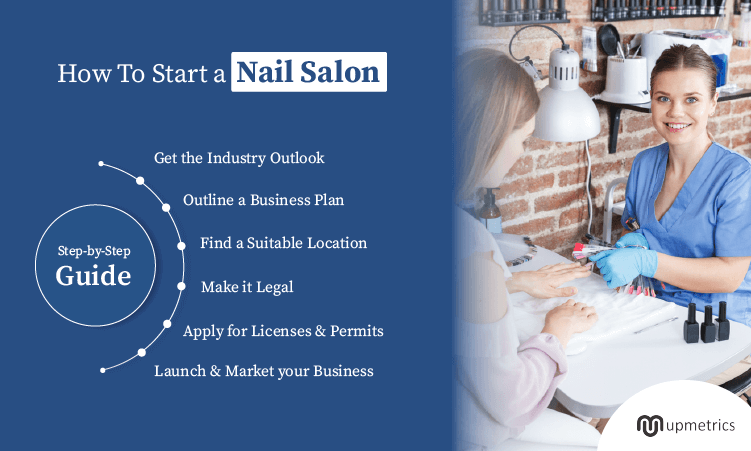
Starting a nail salon begins with a solid business plan that outlines your startup costs, which typically range from $10,000 for a home-based setup to over $100,000 for a full retail space. Factor in rent, equipment, and initial inventory. A clear plan also helps you secure funding and set realistic profitability goals from day one.
Next, research state and local licensing requirements, including a cosmetology or nail technician license for yourself and staff, plus a business permit and health inspection. These legal steps are non-negotiable and vary by state, so check your local board. In addition, consider liability insurance to protect against common claims, which can cost around $500 annually.
Your nail salon essentials list should cover manicure tables, chairs, UV lamps, drills, and sanitation equipment like an autoclave. Budget for quality tools and a comfortable reception area to build client trust and return visits. Since these items are your biggest upfront expense, compare wholesale suppliers and invest in durable brands that withstand daily use.
Finally, marketing drives your local clientele. Use social media to showcase before-and-after photos, and offer launch promotions to build a following. Partner with nearby businesses for cross-promotion, and ask satisfied clients for reviews. With consistent branding and a clean, welcoming space, your salon can turn first-time visitors into loyal regulars, and you got this.
STEP-BY-STEP NAIL SALON OPENING TIPS
How Much Does It Cost To Start A Nail Business At Home
Starting a nail business at home involves a surprisingly manageable initial investment, typically ranging from $500 to $2,000 for essential equipment. This budget covers a professional-grade manicure table, a comfortable client chair, a high-quality UV/LED lamp, and a starter collection of polishes, gels, and acrylics. You will also need sanitation supplies like an autoclave or hospital-grade disinfectant, which are non-negotiable for safety and client trust. These core purchases form the backbone of your salon, so prioritize durability and functionality over decorative extras to keep your startup costs low.
Beyond the physical tools, you must budget for licensing and legal compliance, which varies by state and can cost between $100 and $500. As highlighted in the Reddit discussion, Texas, for example, requires a separate entrance and restroom from your main living area, which may demand minor renovations or additional permits. Factor in a business license, liability insurance (roughly $300 to $600 annually), and a basic bookkeeping system. Skimping on these legalities can lead to fines or shutdowns, so treat them as a fixed, non-negotiable expense when calculating your true starting budget.
Ongoing monthly costs are equally important to project, as they determine your break-even point. Expect to spend $100 to $300 on replenishing consumables like nail files, cuticle oil, and monomer, plus another $50 to $100 on marketing through social media ads or local flyers. Utilities like electricity and water will rise slightly, especially if you run a UV lamp and sterilizer frequently. To offset these, calculate your service pricing so that covering 20 to 30 clients per month yields a profit margin of at least 50%, ensuring your home business remains sustainable beyond the launch phase.
Finally, expert tips suggest setting aside an additional 10% of your startup budget as a contingency fund for unexpected repairs or upgrades, such as replacing a broken drill or purchasing a backup lamp. Many successful home nail techs also invest in a high-speed fan or air purifier ($150 to $300) to manage dust and fumes, which is a wise health and comfort investment. By tracking every dollar from the first month, you can identify waste early and adjust your pricing or product choices, turning your modest initial outlay into a profitable and compliant home salon.

HOME NAIL BUSINESS COST BREAKDOWN
How To Start A Nail Salon Without Money
Starting a nail salon with no money is entirely possible by launching from home, as Paola Ponce Nails demonstrates. Begin with a lean business model, offering services to friends and family to build a client base before investing in a dedicated space. This eliminates rent and startup capital, letting you reinvest early profits into supplies.
To operate legally, research your state’s licensing requirements for home-based nail technicians. You may need a cosmetology license and a local home occupation permit. Using your legal name for the business, like Paola did, can avoid separate business bank account fees, but confirm with your local tax authority to stay compliant.
Branding on a zero budget relies on free social media platforms. Showcase your nail art on Instagram or TikTok, using before-and-after videos to attract local clients. A simple logo made with free design tools and consistent posting builds recognition without spending money on advertising.
Finally, prioritize profitability by tracking every supply cost and setting competitive prices. Since overhead is near zero, your profit margin stays high. Offer referral discounts or package deals to encourage repeat bookings. Within months, reinvest earnings into better tools, gradually upgrading your at-home salon into a full-fledged business.

START A NAIL SALON WITH NO MONEY
What Do You Need To Start A Nail Business At Home
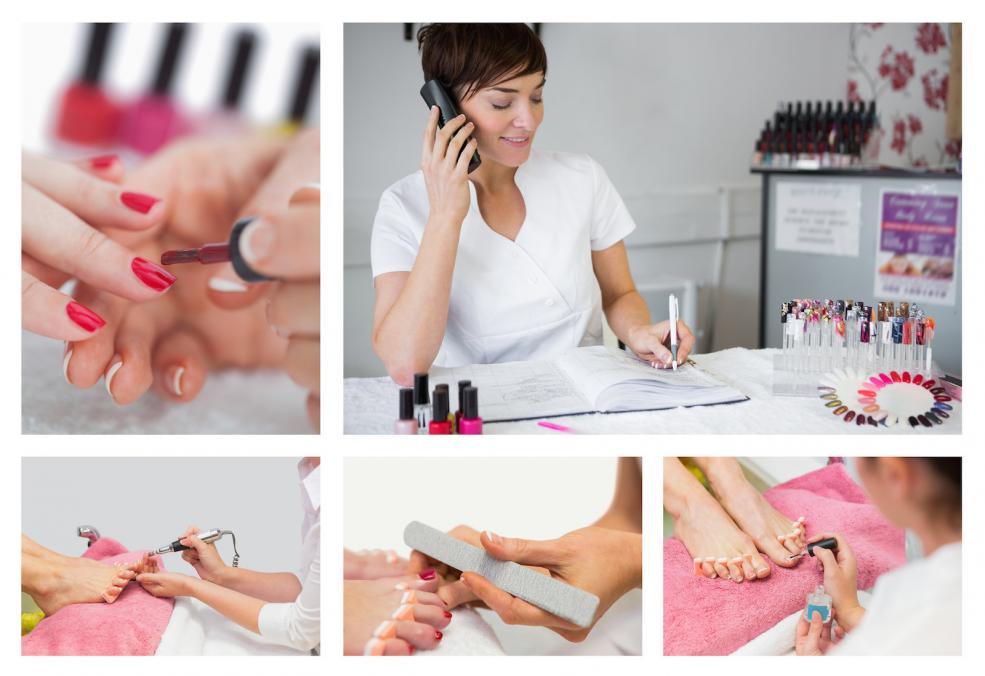
To start a nail business at home, you first need a dedicated workspace that is clean, well-lit, and properly ventilated. Invest in a comfortable manicure table, an ergonomic chair for clients, and a high-quality LED or UV lamp. This professional setup ensures you can work efficiently and reduces the risk of accidents, which is critical for building a trusted reputation.
Your kit must include professional-grade supplies like nail files, buffers, cuticle pushers, and disinfectants. Stock a variety of gel polishes, base and top coats, and acrylic powders to offer diverse services. According to industry standards, you should also purchase a reliable dust collector and a foot spa if you plan to offer pedicures, ensuring hygiene and client comfort.
Crucially, you need legal compliance, which means obtaining the proper cosmetology or nail technician license required in your state. Register your home business, secure liability insurance, and understand local zoning laws to operate legally. The SERP context shows high community interest (696 votes), indicating that many are pursuing this path, but proper licensing protects you from fines and lawsuits.
Finally, invest in marketing tools such as a basic website, a business phone, and a booking system. You will also need a starter inventory of single-use items like files and toe separators. With a modest budget for signage and social media ads, you can attract local clients. This combination of skill, equipment, and legal groundwork turns your home into a profitable nail studio.
ESSENTIAL SUPPLIES FOR HOME NAIL BUSINESS
How To Start A Nail Salon From Home
Starting a nail salon from home is an achievable goal, but it requires careful planning beyond just buying a manicure table. You must first check your local zoning laws and obtain the necessary cosmetology license, as operating without one can lead to fines. The initial investment is lower than a commercial space, yet you still need to budget for professional-grade equipment, sanitation supplies, and liability insurance to protect your business.
Your home space needs a dedicated, clean area that feels like a professional retreat, not a spare bedroom corner. Invest in proper ventilation and lighting, which are critical for detailed nail art and client comfort. Marketing your new mobile or home-based service starts with building a portfolio on social media, showcasing your best designs to attract local clients. Word-of-mouth from satisfied customers will be your strongest and most cost-effective advertising.
Pricing your services competitively is essential, but you must also factor in your time, product costs, and overhead. A common mistake is undercharging to fill the books, which leads to burnout and low profit margins. Start with a clear menu of services, from basic manicures to intricate gel art, and offer package deals to encourage repeat visits. Track every expense, from acetone to towels, to understand your true break-even point.
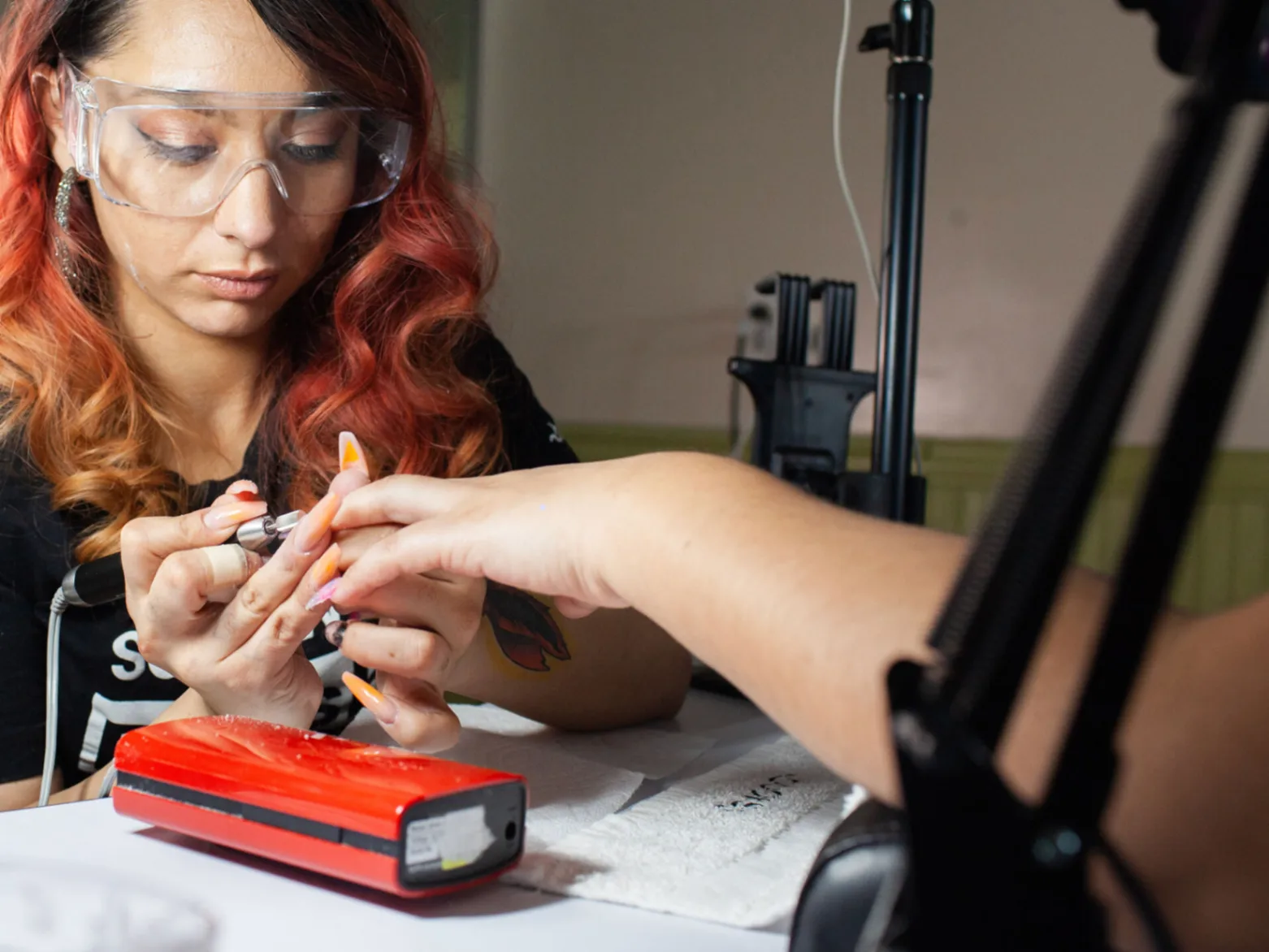
Finally, manage your schedule and client expectations with a reliable booking system, even if it’s a simple online calendar. Since you’re working from home, set strict business hours to avoid interruptions and maintain a work-life balance. As you grow, consider adding a mobile component to visit clients, as the original post highlights the appeal of traveling for work. With consistent quality and professional boundaries, your home salon can become a thriving enterprise.
MOBILE NAIL TECH SETUP FROM HOME
What Permits Do You Need To Open A Nail Salon
To open a nail salon in Texas, you must secure a state-issued establishment license from the Texas Department of Licensing and Regulation (TDLR), alongside a separate individual nail technician license for every person performing services. This applies to all new barbershops, cosmetology salons, esthetician salons, and eyelash-extension establishments. You will also need a local business permit from your city or county, which typically involves a zoning approval and a health inspection.
Beyond the TDLR and local permits, plan for a sales tax permit from the Texas Comptroller, as you will collect tax on retail products like polishes and lotions. If your salon offers any wet services, such as pedicures, you must comply with sanitation regulations that may require a special water system permit. Additionally, check if your municipality demands a sign permit for exterior advertising, as rules vary widely across Texas cities.
Your startup costs will range from $28,500 to $142,500, and this budget must include permit fees, which typically run $50 to $300 per license. Do not overlook an employer identification number (EIN) from the IRS if you plan to hire staff, as this is separate from your business license. Finally, secure liability insurance before your first client, as most Texas cities require proof of coverage during the permit application process.
To avoid delays, submit all applications simultaneously, as the TDLR review can take up to 30 business days. Keep copies of every permit on-site, as inspectors may visit unannounced. Remember that a cosmetology establishment license does not cover barbering services, so if you offer both, you need separate permits. Following this checklist ensures you meet all legal requirements before opening your doors.
Starting a nail salon is a rewarding journey that blends artistry with smart business planning. From securing the right permits and budgeting your startup costs—whether at home or in a commercial space—to mastering marketing without a large budget, success hinges on preparation. Remember to prioritize licensing, invest in quality essentials, and create a welcoming atmosphere that builds client loyalty. You have the blueprint; now take the first step. Research your local regulations, draft your financial plan, and book that training course today. Your dream salon is waiting—go build it.