A relaxing pedicure should leave your feet feeling fresh, not fighting an infection. Yet, that pristine salon environment can sometimes harbor hidden risks. When tools aren’t properly sterilized or footbaths aren’t cleaned between clients, microscopic fungi find the perfect breeding ground. The result? A stubborn, unsightly condition that can spread from one toenail to the next. Understanding how this happens is your first line of defense. From identifying the early signs of an infection to separating quick-fix remedies from real science, this guide covers everything you need to know about preventing, spotting, and treating salon-acquired toenail fungus.
Toenail Fungus From Nail Salon: Causes And Risks
Toenail fungus is a highly common and contagious infection that can easily be picked up during a professional manicure or pedicure. It often begins as a white or yellow-brown spot under the tip of the nail, then spreads deeper if left untreated. The warm, moist environment of a salon’s tools or foot baths creates a perfect breeding ground for the mold responsible.
The primary risk comes from improperly sterilized equipment, as clippers and files can transfer fungi between clients. Even seemingly clean salons may reuse tools without medical-grade disinfection, especially for pedicures. Nail salon visits also increase risk through minor cuts or abrasions from aggressive cuticle trimming, which allow the infection to enter the nail bed more easily.
To prevent fungus, always choose a salon that visibly sterilizes tools in an autoclave or uses single-use disposables. Bring your own personal nail kit to every appointment, and avoid shaving your legs or trimming cuticles right before a pedicure. After your service, thoroughly dry your nails and the skin between your toes, as moisture is the main trigger for fungal growth.
If you notice discoloration, thickening, or a foul odor after a salon visit, act quickly by seeing a nail-health expert. Early treatment is far more effective than waiting for the infection to spread, and it reduces the chance of permanent nail damage. Regular at-home inspection and keeping your nails short and dry are simple habits that significantly lower your risk.

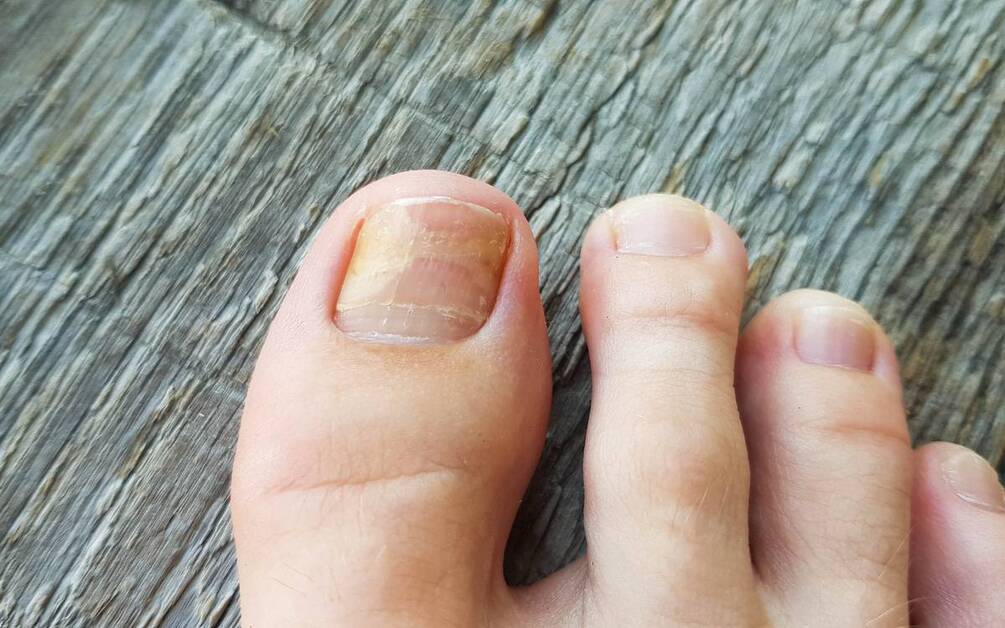
CLOSE-UP OF YELLOW DISCOLORED TOENAIL AFTER SALON VISIT
Types Of Toenail Fungus You Can Catch At A Salon
The most common salon-acquired infection is distal subungual onychomycosis, which starts as a white or yellow spot under the tip of the toenail. This type thrives in the warm, damp environment created by unsterilized foot baths or shared tools. If you notice a yellowish-brown discoloration or a foul odor days after a pedicure, this is likely the culprit. The fungus slowly spreads, thickening the nail and causing it to separate from the nail bed.
Another frequent type is white superficial onychomycosis, which appears as chalky, powdery white patches on the nail’s surface. This form is often contracted directly from contaminated files or buffers used on infected clients. Unlike the deeper infection, it does not immediately affect the nail bed, but it can spread quickly across the entire nail plate. Early signs include a rough texture and slight crumbling at the edges, which you may mistake for simple polish damage.
Candida onychomycosis, caused by yeast, is less common but still possible after salon visits, especially if your cuticles are cut or pushed aggressively. This type leads to a painful, red swelling around the nail, followed by a greenish or black discoloration as the nail lifts. It often occurs when implements are not properly sanitized between clients, and the infection can penetrate the nail matrix, causing permanent ridges or deformity if left untreated.
To prevent these infections, always bring your own tools or ensure the salon uses hospital-grade disinfectants for foot baths and instruments. Dry your feet completely after a wash, and avoid wearing tight, sweaty shoes for days post-manicure. If you see any sign of discoloration, odor, or thickening within two weeks, see a doctor immediately. Early treatment with topical or oral antifungals is far more effective than waiting for the infection to spread deeper.
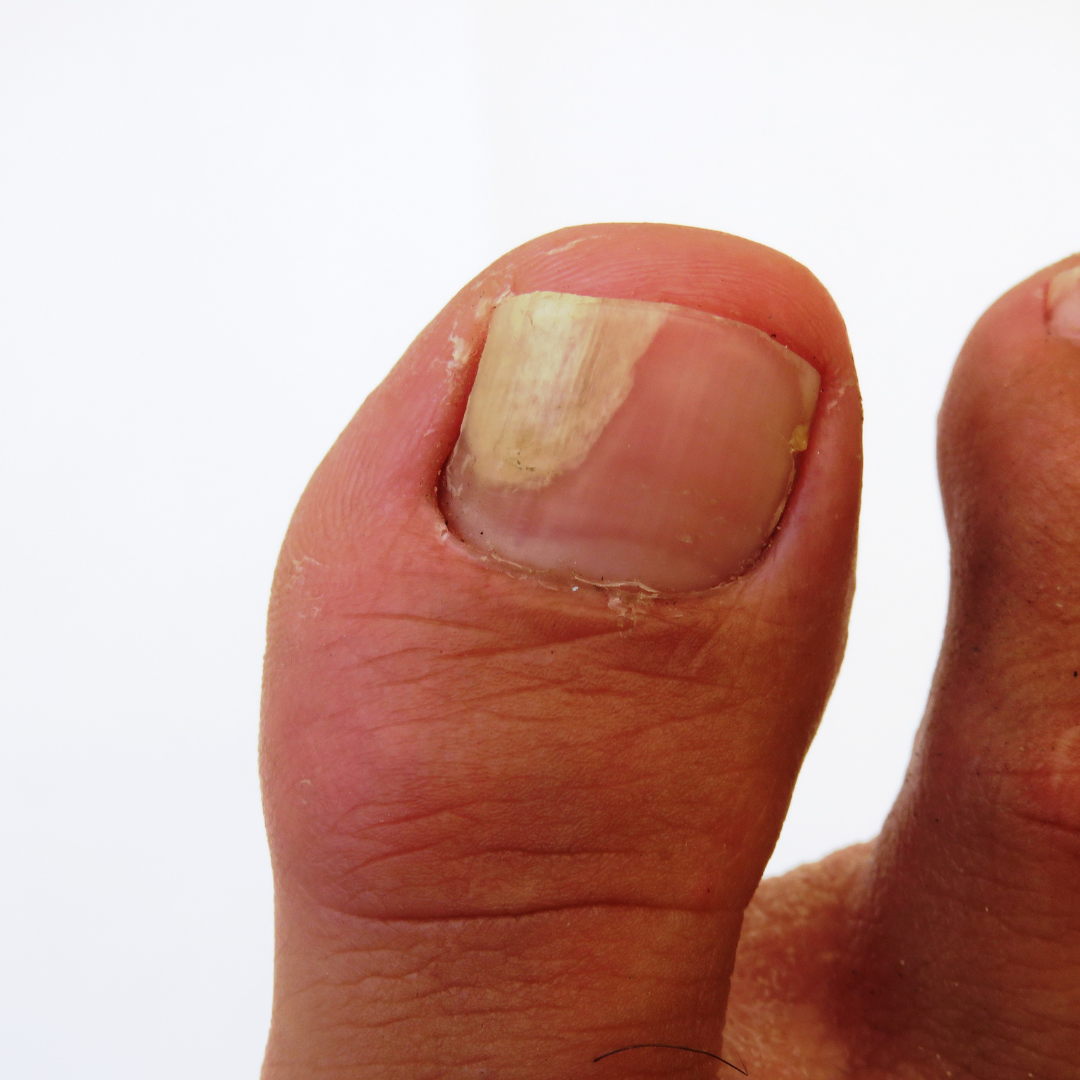
COMPARISON OF HEALTHY NAILS VERSUS FUNGAL INFECTED TOENAILS
Toenail Fungus From Nail Salon Symptoms To Watch For
A trip to the nail salon should leave you feeling refreshed, but it can also leave you with a stubborn infection. Dr. Gabriel Maislos, DPM, warns that your mani-pedi could deliver a serious issue, and the first signs are often easy to miss. Pay close attention to any redness or swelling around the nail or cuticle, as this is a primary indicator that something is wrong. If you notice this after your appointment, it is time to act quickly.
Beyond simple redness, be alert to warmth or tenderness in the treated area, which signals active inflammation. As the infection progresses, you might see pus or cloudy drainage, which points to a bacterial component rather than just a fungal one. These symptoms are not just cosmetic concerns; they indicate that your skin’s barrier has been breached, likely by unsterile tools or over-aggressive cuticle trimming. Ignoring these signs can allow the problem to spread deeper into the nail bed.
Fungal infections are a separate but equally common risk from salon visits, often developing more slowly than bacterial ones. You might notice the nail becoming discolored, thickened, or brittle over the following weeks. Unlike the immediate redness, fungus can take hold silently, thriving in the moist environment created by polish and lotions. The visual guide from WebMD highlights that these infections require prompt treatment, as they rarely resolve on their own and can become chronic if left unchecked.
The key is to monitor your feet for several days after your service, not just at the salon chair. If any of these symptoms—redness, swelling, warmth, pus, or nail changes—appear, see a podiatrist like Dr. Maislos right away. Early intervention is crucial to prevent a minor issue from becoming a painful, long-term condition that could threaten your overall foot health. Your next pedicure should wait until your skin is completely clear.
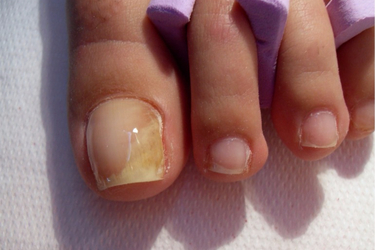
RED SWOLLEN CUTICLE WITH PUS INDICATING NAIL INFECTION
How To Get Rid Of Nail Fungus From Fake Nails
Fungal infections under acrylic nails are a common issue, often caused by trapped moisture that creates the perfect environment for fungi to thrive. If you notice discoloration, thickening, or a foul odor, remove the fake nails immediately to assess the damage. Start by gently filing down any lifted areas, then soak your nails in a mixture of warm water and white vinegar for 15 minutes daily. This simple home remedy helps dry out the fungus and prevents it from spreading to healthy nails.
For persistent infections, over-the-counter anti-fungal treatments are your next step. Look for creams or drops containing clotrimazole or terbinafine, and apply them directly to the affected nail bed twice a day. Keep your nails short and completely dry during this time, as moisture is your enemy. If the infection doesn’t improve within two weeks, consult a dermatologist for a prescription-strength oral medication, which is often more effective for deeper fungal growth.
Prevention is key to avoiding this problem altogether. Before applying new acrylics, ensure your natural nails are completely dry and free of any existing infection. Ask your nail technician to use a primer that seals out moisture, and never wear the same set for longer than three weeks. After removal, give your nails a break of at least two weeks to breathe and recover, reducing the risk of trapped moisture and future fungal outbreaks.
If you’re prone to infections, consider switching to gel polish or press-on nails instead, which are less likely to trap moisture. Always sanitize your tools and avoid sharing nail files or clippers, as fungi can easily transfer between people. In severe cases, a doctor may recommend laser therapy, which has shown success in killing fungus without damaging the nail. Remember, early intervention is simpler and cheaper than trying to cure a well-established infection later.
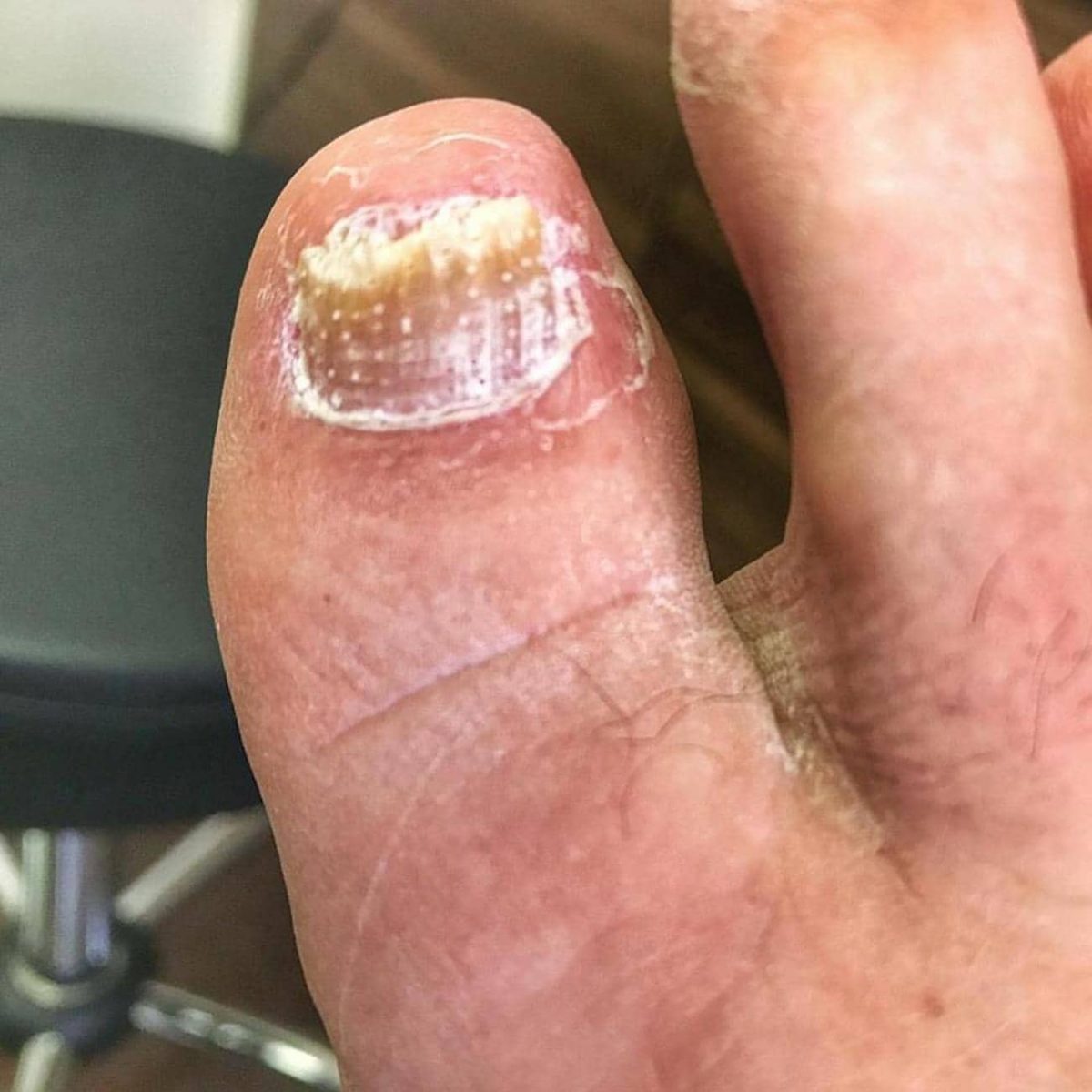
ACRYLIC NAIL REMOVAL REVEALING FUNGAL INFECTION BENEATH
What Kills Toenail Fungus Instantly: Myths Vs. Facts
Toenail fungus cannot be killed instantly, despite viral claims of miracle cures. The nail plate is thick and keratinized, protecting the fungus from quick-acting agents. Even the strongest prescription oral antifungals require weeks to penetrate the nail matrix. Any remedy promising immediate results is a myth, and relying on it delays effective treatment.
Home remedies like vinegar, tea tree oil, or Vicks VapoRub are popular but scientifically unsupported for curing the infection. These substances may have mild antifungal properties, but they fail to eradicate fungi deep within the nail bed. A family medicine physician warns that these DIY approaches often mask symptoms temporarily, allowing the infection to spread to other nails or skin.
The fastest clinically proven approach involves oral prescription medications, such as terbinafine, which can clear the infection in 6 to 12 weeks. However, the visible nail only grows out fully over 6 to 12 months, so “instant” results are impossible. Topical lacquers work slower, while laser therapy shows variable success. For severe cases, a podiatrist may recommend debridement or removal to accelerate healing.
The top 5 myths—that bleach, alcohol, toothpaste, or nail polish remover kill fungus—are dangerous and can damage skin or nails. The only real “fast” solution is early intervention: the sooner you see a podiatrist, the less time the fungus has to embed. Dermatology Affiliates advises that no treatment works overnight, and professional diagnosis is essential to avoid chronic, recurring infections.
HAND HOLDING PRESCRIPTION CREAM FOR TOENAIL FUNGUS TREATMENT
Nail Fungus From Nail Salon Treatment Options
Toenail fungus contracted at a nail salon can be stubborn, but several effective treatment options exist. Over-the-counter (OTC) antifungal creams and ointments are a common first step, though they often require months of daily application. For best results, dermatologists recommend filing down the thickened nail surface first, allowing the medication to penetrate deeper. These treatments work best for mild to moderate infections, especially when caught early.
For more persistent cases, prescription oral antifungal drugs offer a higher cure rate. Medications like terbinafine are typically taken for six to twelve weeks, and they work by promoting new, healthy nail growth. However, these drugs require a doctor’s supervision due to potential side effects, including liver issues. Regular blood tests may be necessary, but this systemic approach is often the most reliable way to eliminate the fungus completely.
Laser treatment is a newer, non-invasive option that uses focused light energy to heat and destroy the fungus. While this procedure is painless and requires no downtime, it is not always covered by insurance and may need multiple sessions. Clinical success rates vary, but many patients see significant improvement. It is a viable alternative for those who cannot take oral medications or who prefer to avoid long-term topical regimens.
Regardless of the method you choose, preventing reinfection is crucial. Since the fungus is contagious, you should avoid sharing nail clippers or files and always ensure salon tools are sterilized. Wearing breathable shoes and keeping your feet dry also helps. If over-the-counter products fail after a few months, consult a dermatologist for a prescription or laser option, as professional guidance significantly boosts your chances of clear nails.
:max_bytes(150000):strip_icc()/VWH-GettyImages-1490447104-f3d0da49dccb4f13913c06bc4eb6e771.jpg)
APPLYING MEDICATED ANTIFUNGAL POLISH TO INFECTED TOENAIL
Antifungal Nail Polish: Does It Work?
Antifungal nail polish does work, but only under the right conditions. Prescription options like ciclopirox (Penlac) are proven effective, though they require daily application for months. Over-the-counter versions are weaker and often fail against stubborn infections. Success depends on consistent use and trimming infected nail tissue regularly.
Clinical studies show that water-based, peelable polishes can be safe and effective for mild to moderate cases. In one evaluation, daily application improved outcomes for many patients, but cure rates remain lower than oral medications. You must keep the polish on continuously, as peeling it off too soon exposes the nail to moisture and reinfection.
The key limitation is penetration. Fungus thrives under the nail plate, and polish can’t always reach deep layers. For this reason, dermatologists often pair polish with topical creams or oral antifungals. If you have thick, yellowed, or crumbling nails, polish alone is rarely enough—seek professional advice before relying on it.
You can wear nail polish with a fungal infection, but only if it’s medicated or you’ve already cleared the infection. Regular cosmetic polish traps moisture and makes fungus worse. Always remove old polish, disinfect tools, and allow nails to breathe between applications. For best results, combine antifungal polish with good foot hygiene and moisture control.
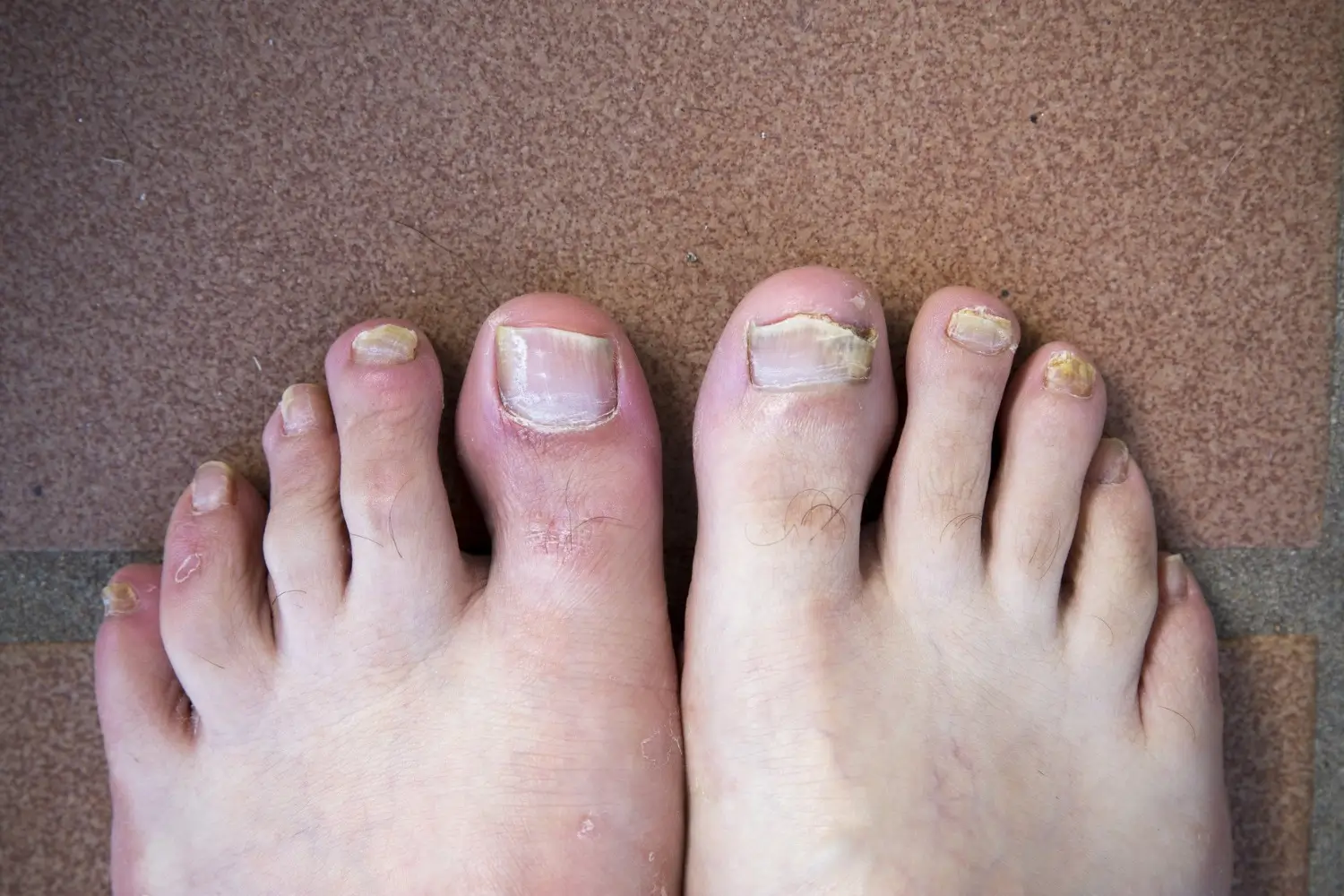
PODIATRIST EXAMINING INFECTED TOENAIL IN CLINICAL OFFICE
In conclusion, salon-acquired toenail fungus is a genuine risk, but it is manageable with vigilance and proper care. From recognizing early symptoms to understanding that “instant cures” are myths, knowledge is your best defense. Whether using antifungal polish or seeking professional treatment, early intervention is crucial. Do not delay; inspect your nails regularly and prioritize hygiene at every salon visit. Take proactive steps today to protect your nail health and prevent reinfection.